



Forgot Password?
Please enter your email address to receive a link for resetting your password.
Thank You
You will receive an email with further instructions. Please contact customer support if you need any further assistance.
Please verify your email address
A verification link has been sent to your email to activate your account. The link will be valid for 1 hour.
Please check the spam inbox if you can't find the email. If you still can't find it, we can resend it.
A verification link has been sent to your email 00:00
Lens and Soul | Photographer Robert Wagner on Storytelling and Creative Vision
 Facebook
 Twitter
 LinkedIn
 Email
Email
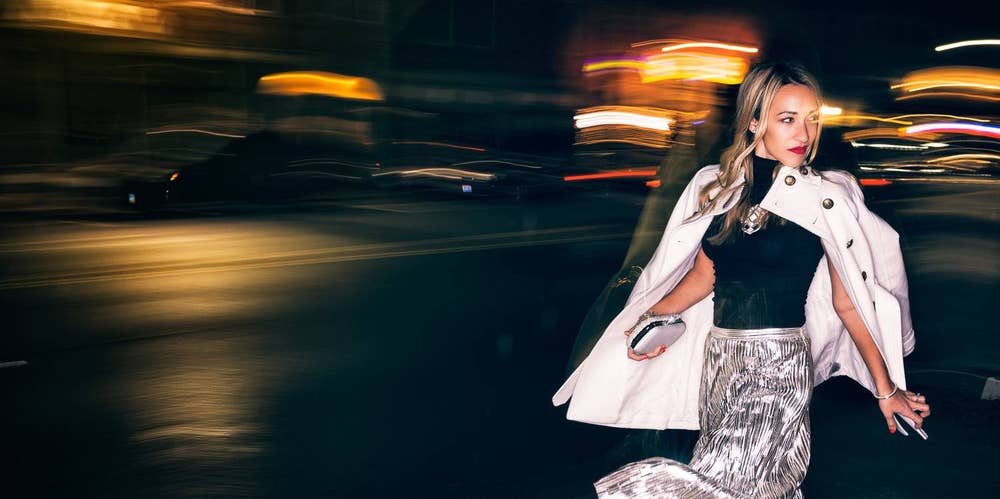
What if a photograph could transport you into another world? For commercial director and photographer Robert Wagner, that’s exactly the point. Through his brand, Man Over Board, Robert creates cinematic, story-driven photographs that blend elaborate scenes, compelling characters, and intricate details into images that feel like a story unfolding before your eyes. His work is rooted in imagination, creative experimentation, and a passion for bringing ideas to life. In this edition of Lens and Soul, Robert shares the story behind his brand, how he approaches visual storytelling, the role AI plays in his creative process, and why printing his work allows viewers to experience every detail in a whole new way.

Tell us about Man Over Board and the story behind the name.
I’ve always had a huge fascination with pirate history and nautical lore, it’s one of my favorite side obsessions. Early on in my photography career, several people told me that I consistently went “overboard” with my editing. Because my favorite images to create are elaborate, constructed scenes and fake worlds, I took what was probably intended as a dig, flipped it into a compliment, and decided to fully embrace it as my brand.

What first drew you to photography, and when did you realize it could become more than just a creative outlet?
I was interested in photography back in high school photo class and loved playing around in the darkroom, but it took a while before I started taking it seriously. I always knew I wanted to work in a creative field, though I originally assumed it would be in music. Later, I started regularly taking photos of my wife and kids, which led to a friend asking me to shoot a wedding, then another, and eventually commercial requests from businesses. The turning point, when I realized this could be a legitimate career, was landing my first commercial gig from a client who didn’t know me personally.
How would you describe your photography style, and what do you hope people feel when they see your work?
Cinematic, story-driven images and narrative tableaus are my favorite to create. My greatest influences are Annie Leibovitz and Norman Rockwell. It’s a tough target to hit, but I aim for my work to land somewhere right between them, combining detailed, painterly character studies with the scope and atmosphere of a cinematic tableau.

Your work has a strong sense of personality and storytelling. What inspires you when you’re behind the camera?
I’m a commercial director full-time, so I instinctively see everything as scenes and narratives first. I spend a lot of time mapping out character backstories and understanding the “why” behind their actions in each frame. It might seem like overkill sometimes, but it gives models and actors real emotional beats to play off. Letting the subject in on the world living in your head transforms the entire frame.
Is there a particular photograph you’ve taken that has stayed with you over the years?
I tend to move on quickly once a project is finished, even after weeks of intensive prep. Once an image is out in the world, I try not to linger on it for too long. But looking back after substantial time has passed is rewarding; I usually appreciate my past work much more in hindsight than I do in the heat of the moment.

What’s one of the biggest lessons photography has taught you, not just about taking pictures, but about life?
Most of the time, the people we admire aren’t just coasting on raw talent. They’re the ones fueled by sheer passion who consistently go above and beyond what the average person is willing to do. Dedication beats natural ability every single time.
Photography is constantly changing. How have you adapted your creative process as technology, social media, and AI have evolved?
Technology is always a tool, not a replacement for vision. I use AI early in the process as a digital brainstorming journal to dump unfiltered ideas, generate mood boards, or flesh out complex storyboards that are hard to describe. Tasks that used to require weeks of third-party 3D modeling can now be solved in seconds, freeing up time to focus on the story. I like embracing new tools early to keep growing my skillset, but gear and software don’t make an image, a distinct creative voice does.

What role does printing play in your creative process? Does seeing an image physically change the way you feel about the photograph?
Holding a physical print completely changes the experience; it elevates a simple digital picture into a genuine piece of art. On small phone screens, fine details and the subtle “Easter eggs” I hide in complex composite scenes get lost in an endless scroll. In a large-format physical print, you can stop, study the craftsmanship, and discover every hidden element.

What is your favorite Printique product or way to display your work, and why?
Large-scale acrylic prints. The way they float slightly off the wall gives them an immediate, high-end gallery presence and undeniable depth. They demand attention in a room, feel timeless, and are substantial statement pieces, in fact, I always plan our living room family portraits around that format.


When you look at your body of work as a whole, what do you hope people remember about your photographs, and about the person behind them?
I hope people can tell how much fun I had making them. Even when the scene is dark, moody, or dramatic, the process is rooted in creative play. I take the craft seriously, but I never take myself too seriously.

For Robert, great photography isn’t about following trends or having the latest gear, it’s about developing a distinctive creative voice, putting in the work, and never losing the joy of making something unexpected. Whether he’s building an elaborate fictional world or creating a family portrait destined for a large-scale acrylic print, his approach is guided by imagination and a commitment to storytelling. He also believes that seeing an image in print transforms the experience, giving viewers the chance to slow down and discover the details that might otherwise get lost on a screen. His advice to photographers? Trust your own perspective, embrace creative play, and don’t be afraid to go a little overboard.